
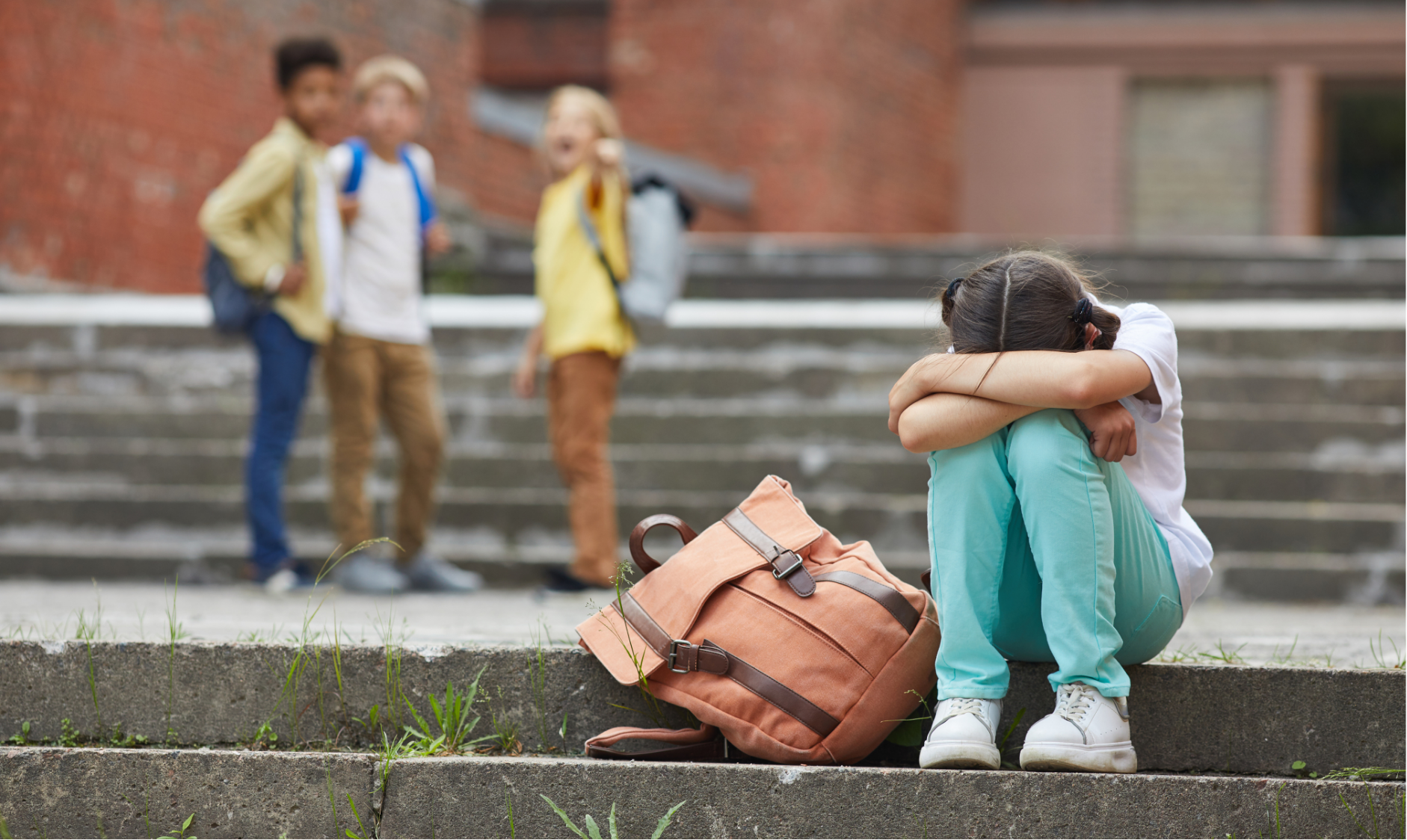
Too many young people feel alone.
Bullying, social isolation, and emotional disconnection are affecting students at younger ages and in more complex ways than ever before.
At PEER Kindness, we believe prevention starts with connection.
Bullying impacts more than the moment.
Bullying is not simply a “rite of passage” or a normal part of growing up.
For many young people, repeated exclusion, humiliation, cyberbullying, and social conflict can create lasting emotional and psychological harm – especially when students feel unsupported or isolated.
Today’s students are navigating:
increased social pressure
constant digital connection
cyberbullying and online harassment
social isolation
anxiety and emotional distress
fear of speaking up
These experiences affect not only the students directly targeted, but also classmates, families, educators, and entire school communities.
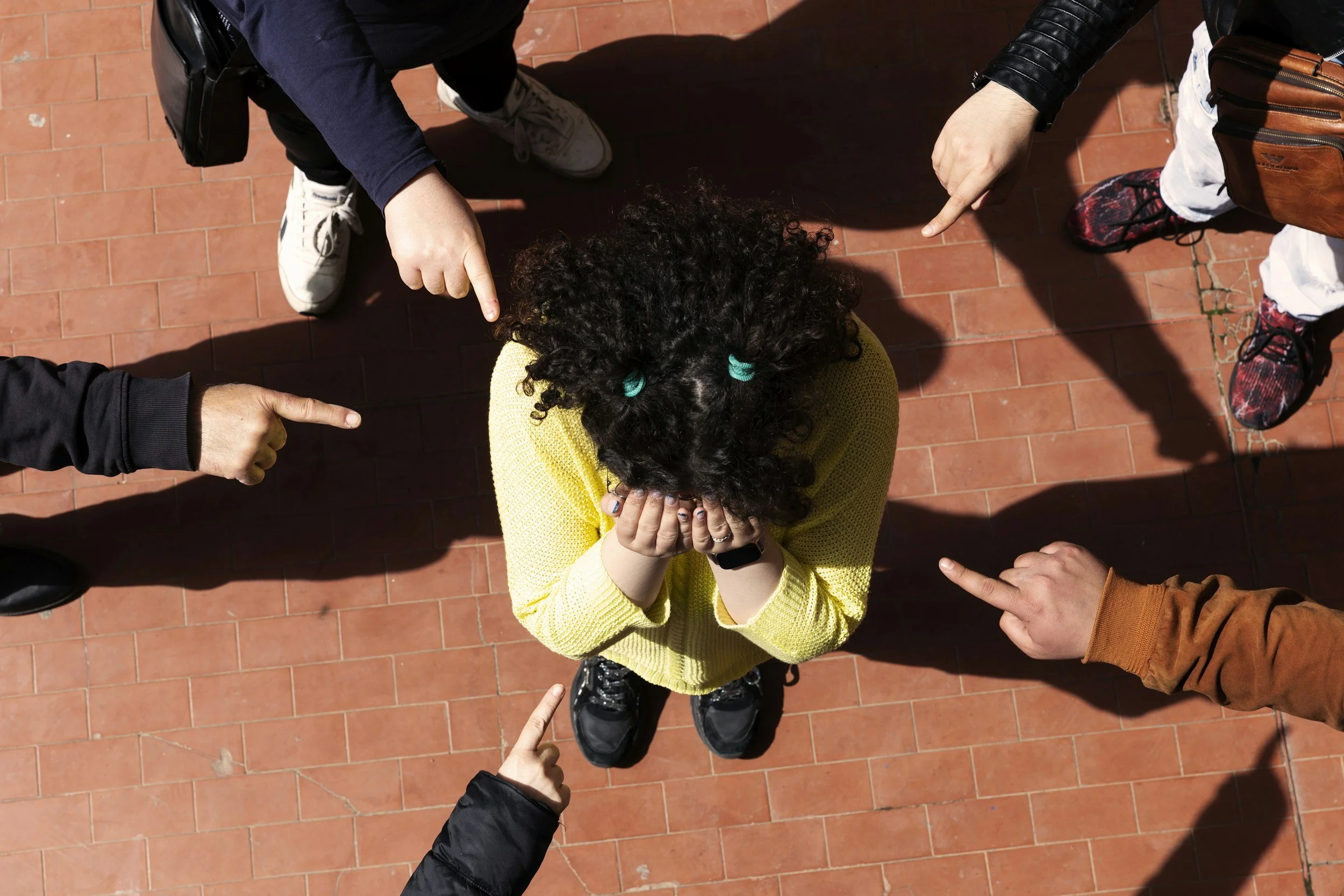
1 in 5
students report being bullied

Students who experience bullying are more likely to experience:
anxiety
depression
lower self-esteem
school avoidance

Cyberbullying can follow students beyond school hours
through phones, social media, gaming, and digital platforms

Witnesses are impacted too
Students who observe bullying may experience stress, fear, and emotional disconnection
Prevention must begin before harm escalates.
Too often, intervention happens only after a situation becomes severe.
But research consistently shows that building empathy, emotional regulation, healthy peer relationships, and strong support systems early can significantly reduce bullying behaviors and improve school culture.
That’s why PEER Kindness focuses not only on responding to bullying – but on helping communities create environments where bullying is less likely to happen in the first place.
Connection changes outcomes.
Young people are more likely to thrive when they feel:
seen
safe
included
supported by trusted adults and peers
Creating cultures of belonging helps students:
build confidence
strengthen resilience
develop empathy
seek help earlier
support one another
These are not “soft skills.”
They are foundational to healthy communities.
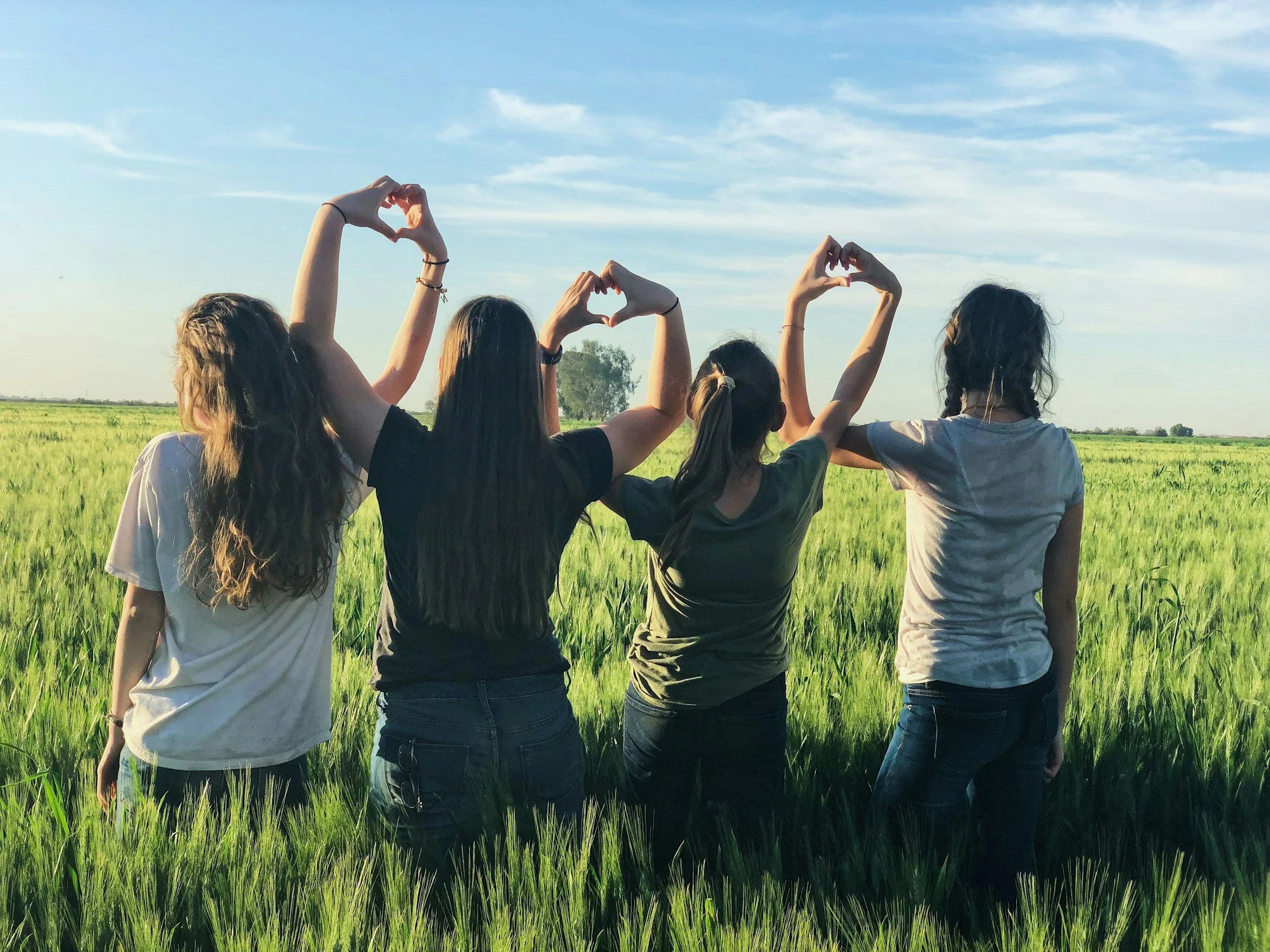
Belonging is prevention.
Our Response
PEER Kindness addresses these challenges through prevention-focused programs designed to build empathy, strengthen connection, and equip students and communities with practical tools for long-term change.
Prevention & Education
Youth Leadership Development


Community Partnerships
Navigation & Student Support

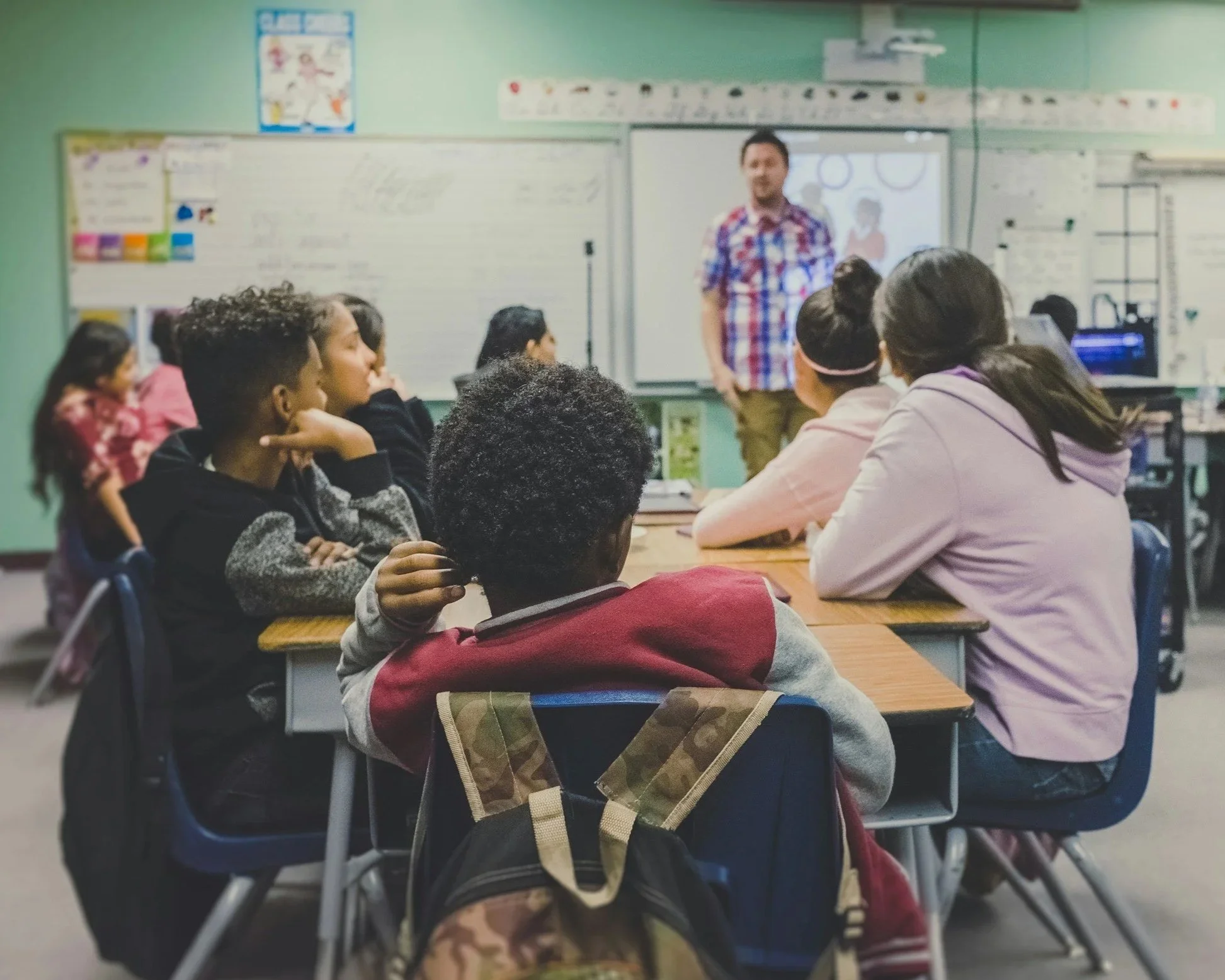
You’re part of the process. We keep communication open and decisions shared—no black boxes or surprises.
Helping students build empathy and positive peer relationships
Helping students and families navigate bullying and conflict situations
Supporting schools and organizations with practical tools and training
We can create safer, more connected communities together.
Bullying prevention is not the responsibility of one student, one teacher, or one family alone.
Meaningful change happens when communities work together to create environments where young people feel supported, respected, and empowered to thrive.